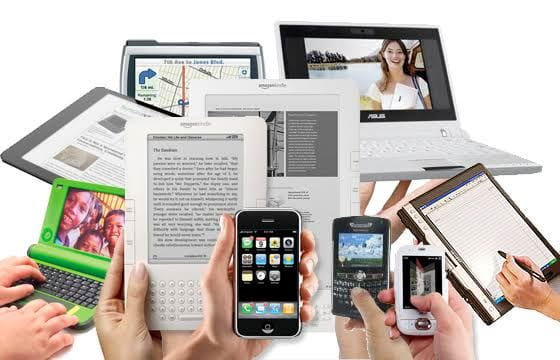
Introduction
Information Technology (IT) has become the invisible infrastructure that powers nearly every aspect of modern life. From the moment we wake up and check our smartphones to the complex systems that manage global financial markets, IT touches everything. It encompasses the use of computers, networking, software, and data to store, retrieve, transmit, and manipulate information. What began decades ago as a niche technical field has evolved into a driving force behind economic growth, social change, and human innovation.
What Is Information Technology?
At its core, Information Technology refers to the design, development, implementation, support, and management of computer-based information systems. This includes hardware such as servers, computers, and networking equipment, as well as software applications, databases, and cloud platforms. IT professionals work across many specializations, including software development, cybersecurity, network administration, database management, and systems analysis. The field is broad enough to include everything from a small business’s point-of-sale system to the massive data centers that power global search engines.
A Brief History
The roots of modern IT trace back to the mid-20th century with the invention of the first electronic computers. Machines like ENIAC in the 1940s were room-sized devices used primarily for military and scientific calculations. The 1970s and 1980s brought the personal computer revolution, putting computing power into homes and offices for the first time. IBM, Apple, and Microsoft became household names as computers transitioned from specialized tools to everyday devices.
The 1990s introduced the internet to the general public, fundamentally changing how information was shared and accessed. Email, websites, and early search engines transformed communication and commerce. The 2000s saw the rise of broadband internet, smartphones, and social media, while the 2010s ushered in cloud computing, big data, and mobile-first technology. Today, we stand at the frontier of artificial intelligence, quantum computing, and increasingly interconnected devices, each building on the foundation laid by earlier innovations.
Key Domains Within IT
Software Development involves creating applications and systems that solve problems, automate tasks, or enable communication. This spans everything from mobile apps to enterprise resource planning systems.
Cybersecurity has become one of the most critical areas within IT as organizations face growing threats from hackers, ransomware, and data breaches. Cybersecurity professionals work to protect systems, networks, and data from unauthorized access and attacks.
Cloud Computing allows businesses and individuals to store data and run applications on remote servers rather than local machines. Providers like Amazon Web Services, Microsoft Azure, and Google Cloud have made scalable computing power accessible to organizations of all sizes, eliminating the need for expensive on-site infrastructure.
Data Management and Analytics focus on organizing, storing, and interpreting the vast amounts of data generated daily. Businesses rely on data analytics to make informed decisions, understand customer behavior, and identify market trends.
Networking ensures that computers and devices can communicate with one another, whether within a single office or across the globe. This includes everything from local area networks to the infrastructure that supports the internet itself.
The Impact of IT on Society
Information Technology has reshaped nearly every industry. In healthcare, electronic health records and telemedicine have improved patient care and accessibility. In education, online learning platforms have made knowledge available to people regardless of geographic location. In finance, digital banking and mobile payment systems have made transactions faster and more convenient than ever before.
Businesses of all sizes now depend on IT to remain competitive. E-commerce platforms allow companies to reach global markets, while data-driven decision-making helps organizations optimize operations and better understand their customers. Remote work, accelerated by advances in collaboration tools and cloud infrastructure, has become a permanent fixture in many industries, changing how and where people work.
On a societal level, IT has democratized access to information. A person with an internet connection can access vast libraries of knowledge, connect with people across the world, and participate in global conversations. This connectivity has also given rise to new forms of activism, entrepreneurship, and creative expression.
Emerging Trends
Several trends are currently shaping the future of Information Technology. Artificial Intelligence and Machine Learning are being integrated into countless applications, from customer service chatbots to predictive analytics tools that help businesses forecast trends. The Internet of Things (IoT) connects everyday devices—from thermostats to industrial machinery—to the internet, enabling smarter homes and more efficient operations.
Edge Computing is gaining traction as organizations seek to process data closer to its source rather than relying solely on centralized cloud servers, reducing latency and improving performance. Quantum Computing, while still in its early stages, promises to solve complex problems that are currently beyond the reach of classical computers, with potential applications in cryptography, drug discovery, and materials science.
Automation continues to reshape industries by streamlining repetitive tasks, allowing human workers to focus on higher-value activities. Meanwhile, growing concerns about data privacy and security are pushing organizations to adopt stronger protective measures and comply with evolving regulations.
Challenges Facing the Industry
Despite its many benefits, the rapid growth of IT presents significant challenges. Cybersecurity threats continue to evolve, requiring constant vigilance and investment. The digital divide remains a persistent issue, as not everyone has equal access to technology and the internet, creating disparities in education and economic opportunity. Additionally, the environmental impact of data centers and electronic waste raises important sustainability concerns that the industry must address.
Ethical questions surrounding artificial intelligence, data privacy, and algorithmic bias are also becoming increasingly important as technology becomes more deeply embedded in decision-making processes that affect people’s lives.
Conclusion
Information Technology has fundamentally transformed how we live, work, and communicate. It has broken down geographic barriers, accelerated innovation, and created new opportunities across every sector of the economy. As emerging technologies like artificial intelligence, quantum computing, and the Internet of Things continue to develop, IT will only become more integral to daily life. Navigating this future successfully will require not only technical innovation but also thoughtful attention to security, accessibility, and the ethical implications of an increasingly connected world. The story of Information Technology is far from finished—it continues to be written every day, one innovation at a time.