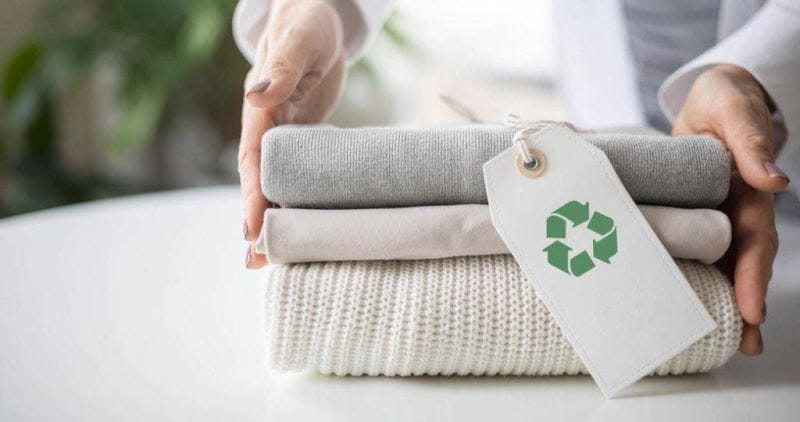
We live in an era of instant gratification. With a few clicks, a 5T−shirtcanbeonyourdoorsteptomorrow.Butwhileourwalletsfeellight,theplanetispayingaheavyprice.Thefashionindustry—currentlyvaluedatover2.5 trillion—is one of the largest polluters on Earth, second only to oil.
Yet, a quiet revolution is unfolding in our closets. It’s called sustainable fashion, and it is no longer a niche trend for eco-activists. It is an urgent necessity for everyone.
The Ugly Truth Behind “Fast Fashion”
To understand the solution, we must face the problem. Fast fashion relies on a linear model: take, make, waste. To keep prices low, brands use synthetic fibers like polyester (a plastic that sheds microfibers into our oceans) and intensive crops like conventional cotton (which drinks 2,700 liters of water to produce a single T-shirt).
Furthermore, the average consumer now buys 60% more clothing than they did 15 years ago, but keeps each garment for half as long. The result? Every second, the equivalent of one garbage truck of textiles is landfilled or burned.
What is Sustainable Fashion, Really?
Sustainable fashion isn’t just about organic cotton. It’s a holistic approach that considers the entire lifecycle of a garment: from the farm where the fiber is grown to the moment you finally donate or recycle it.
It rests on three core pillars:
-
Environmental Integrity: Using low-impact materials (hemp, Tencel, recycled nylon), non-toxic dyes, and renewable energy. It prioritizes water conservation and biodiversity.
-
Social Equity: Paying living wages. Ensuring safe factories. Respecting the artisan and the garment worker, rather than exploiting them for a cheap hemline.
-
Circular Economy: Designing clothes that last, can be repaired, and eventually biodegraded or recycled into new fabric. The goal is zero waste.
Debunking the Myths
Many people hesitate to embrace sustainable fashion because of common misconceptions:
-
Myth: “It’s too expensive.” Reality: While the upfront cost is often higher (the “true cost” of ethical labor and materials), the “cost-per-wear” is significantly lower. A 100pairofdurablejeansworn200timesischeaperthan10pairsof20 jeans that rip after 10 wears.
-
Myth: “It’s all beige and boring.” Reality: Brands like Stella McCartney, Patagonia, and emerging designers like Christopher Raeburn prove that sustainable fashion can be bold, vibrant, and cutting-edge.
-
Myth: “One person can’t make a difference.” Reality: Every dollar you spend is a vote for the world you want. When demand shifts, supply chains follow.
How to Build a Sustainable Wardrobe (Without Throwing Everything Away)
The most sustainable garment is the one you already own. You don’t need a perfect, all-organic closet overnight. Instead, adopt these five habits:
-
Love Your Clothes: Learn to mend a button or patch a hole. Extend the life of your clothing by just nine months reduces its carbon, water, and waste footprint by 20-30%.
-
Buy Second-Hand First: Vintage stores, thrift shops, and apps like Depop or Vinted are treasure troves. Buying used is the ultimate form of recycling.
-
Ask “Who Made This?”: Before you buy new, check the label. Look for certifications like Fair Trade, GOTS (Global Organic Textile Standard), or B Corp.
-
Invest in Classics: Buy fewer, better things. A merino wool sweater or a pair of raw denim jeans gets better with age. Avoid trendy cuts and loud logos that will look dated next season.
-
Wash with Care: Washing clothes releases microplastics and degrades fibers. Wash less frequently, in cold water, and air-dry whenever possible.
The Future is Fibre
We are witnessing a textile renaissance. Scientists are brewing leather from mushrooms. Designers are weaving fabrics from orange peels and pineapple leaves. Dyeing is happening with algae instead of arsenic. Technology is proving that style does not require suffering—neither for the planet nor the people on it.
The fashion industry will not change overnight, but we have the power to slow the conveyor belt. Next time you reach for a credit card, pause. Ask yourself: Do I need this? How long will I wear it? Where will it go when I’m done?